



















For a long time, I treated my workspace as something static. A desk was a desk. A chair was a chair. As long as everything fit into the room, that was enough. Like many professionals, I focused on the work itself and ignored the environment supporting it. Over time, however, the cost of that mindset became impossible to ignore, physical tension, mental fatigue, and a growing sense that long workdays were harder than they needed to be.
That shift in awareness is what led me to explore ergonomic workspace solutions more seriously, and eventually to brands like FlexiSpot, which approach office furniture not as décor, but as infrastructure.
Why the Way We Work Has Changed
Work has changed dramatically in recent years. Home offices, hybrid schedules, and flexible hours have blurred the line between professional and personal spaces. Many people now spend more uninterrupted time at their desks than ever before, often without the ergonomic support traditionally provided by corporate offices.
What has become clear is that static furniture no longer matches dynamic workdays. Sitting for hours without movement, or standing without proper support, both take a toll. The modern workspace needs to adapt throughout the day, responding to how the body and mind actually function.
This is where ergonomic design moves from “nice to have” into “necessary.”
Ergonomics as a Long-Term Investment
One of the biggest misconceptions about ergonomic furniture is that it’s about short-term comfort. In reality, it’s about sustainability, creating conditions that allow you to work consistently without accumulating strain.
FlexiSpot’s broader philosophy reflects this long-term thinking. Rather than offering one-size-fits-all solutions, the brand focuses on adjustability, adaptability, and durability. The goal isn’t to force people into ideal postures, but to give them the freedom to change positions naturally throughout the day.
That emphasis on movement is critical. The body is not designed for prolonged stillness, and even small shifts, standing briefly, changing height, adjusting posture, can make a significant difference over time.
Furniture That Supports Focus, Not Distraction
What I’ve come to appreciate about well-designed ergonomic furniture is how little attention it demands once it’s in place. The best pieces don’t constantly remind you that they’re “ergonomic.” They simply remove friction from the workday.
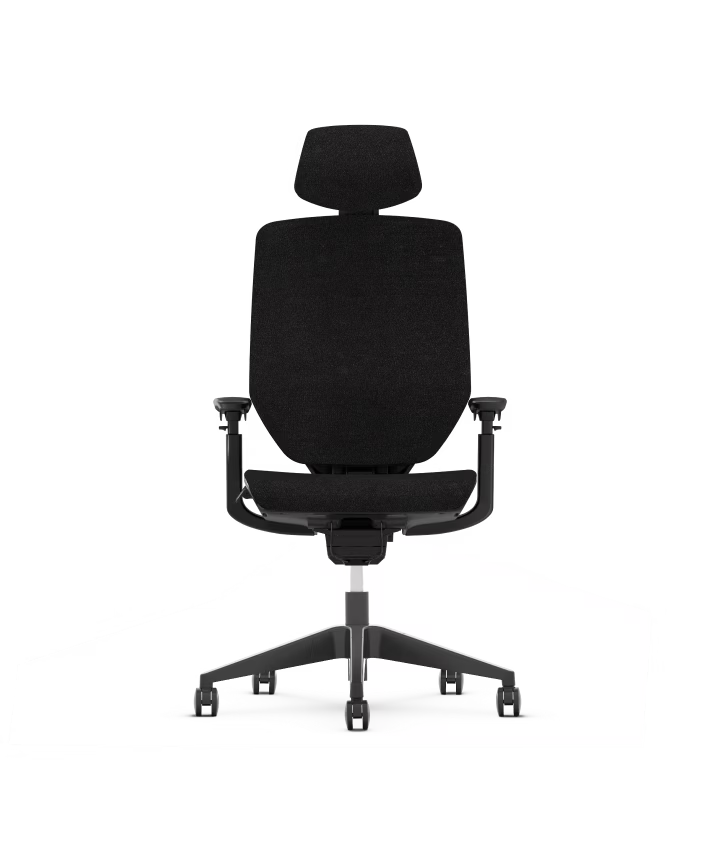
FlexiSpot’s approach aligns with that idea. Its furniture is engineered to function smoothly and quietly, without unnecessary complexity. Adjustments feel intuitive rather than technical. Over time, this ease becomes invisible, and that’s exactly the point.
When your workspace works with you, focus improves naturally. There’s less background discomfort pulling attention away from tasks. The physical environment fades into the background, allowing mental energy to stay where it belongs.
Design That Fits Real Living Spaces
Another important shift in modern work is that offices are no longer separate from living spaces. Furniture must function professionally while fitting aesthetically into homes, studios, and shared environments.
FlexiSpot strikes a balance here by prioritising clean, modern design without sacrificing robustness. The furniture doesn’t feel industrial or clinical, nor does it feel decorative at the expense of function. That balance matters for people who want their workspace to feel intentional, not improvised.
This design sensibility makes ergonomic furniture easier to live with long term. When something looks appropriate in its environment, it’s more likely to remain part of daily routines.
Adaptability Over Perfection
One of the most valuable lessons I’ve learned is that there is no perfect workstation, only adaptable ones. Needs change throughout the day and over time. What feels right in the morning may not work in the afternoon. What works this year may need adjustment next year.
FlexiSpot’s modular, adjustable approach reflects that reality. Instead of locking users into fixed configurations, it allows workspaces to evolve. That adaptability makes ergonomic improvements feel sustainable rather than prescriptive.
It also empowers users. Rather than following rigid rules, people can respond to their own bodies and workflows.
A Brand Built Around Everyday Use
From a brand perspective, what stands out about FlexiSpot is its consistency. The company’s product range, messaging, and design choices all reinforce the same core idea: better workdays come from better support, not more complexity.
This consistency builds trust. When a brand clearly understands its purpose, it shows in the details, how products are engineered, how they’re explained, and how they fit into real routines. FlexiSpot feels focused on longevity rather than novelty, which is increasingly rare in a market driven by constant upgrades.
Why General Ergonomics Matter More Than Specific Products
It’s easy to get caught up comparing individual features or specifications, but the bigger picture matters more. Ergonomics is not about owning a specific desk or chair, it’s about creating an environment that encourages healthier habits by default.
FlexiSpot’s strength lies in supporting that broader goal. Its furniture acts as a framework for better work practices, not a solution that demands perfection. That mindset encourages gradual improvement rather than all-or-nothing change.
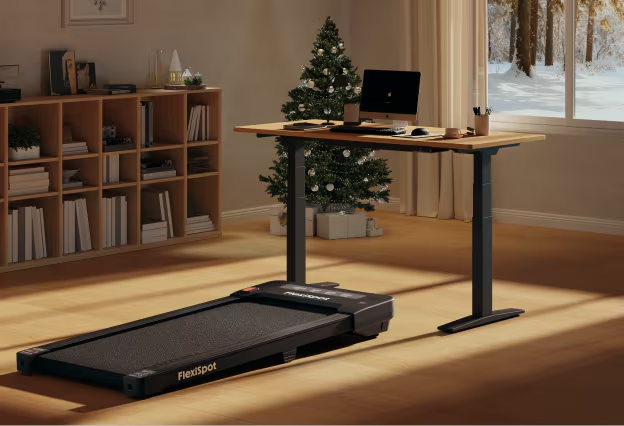
A More Sustainable Way to Work
Ultimately, investing in ergonomic furniture is an investment in longevity, both physical and professional. As work becomes more flexible and self-directed, the responsibility for healthy environments shifts to individuals.
Brands like FlexiSpot recognise that reality and respond with tools designed to support real work, real schedules, and real bodies.
The most successful workspaces are not the most impressive ones.
They are the ones that quietly make each day easier, and make it possible to keep going tomorrow.